Afterparty review: A neon-soaked, booze-driven narrative adventure
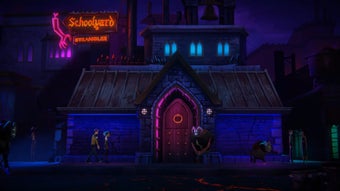
Unlike Oxenfree, Night School Studio's Afterparty casts its story inside a satirical, neon Hell where two friends confront personal stakes and social gauntlets. The game pairs conversation-driven play with short interactive challenges to advance character relationships and story beats. Players choose dialogue, explore linked underworld locales, and use drink effects to shift scenes. It targets narrative-focused players who prefer witty writing, character chemistry, and paced exploration over action-heavy systems.
What kind of game is Afterparty?
Afterparty is a narrative adventure built around conversation as the core loop, with players guiding two protagonists through social encounters and choices. The title includes an intelligent conversation system that dynamically changes story and relationships based on decisions, and a dual-protagonist design where you control both Milo and Lola across encounters. The central drama unfolds through scripted scenes and branching responses that emphasize character beats over combat or platforming.
Does it include playable activities beyond dialogue?
The game integrates demonic pub games and short interactive moments that influence pacing and tone. Examples include beer pong, karaoke, dance-offs, and chugging competitions, which appear as narrative set pieces rather than lengthy skill tests. These mini-games add variety and occasionally alter social standing, but some players find those segments repeat over long walks between locations.
What does the game look and sound like?
The presentation pairs a distinct 2.5D aesthetic with a neon-soaked underworld and original music by scntfc, producing a late-night club atmosphere. The narrative is fully voice-acted, with credited performers such as Janina Gavankar and Khoi Dao. Visuals and audio combine to sell the satirical setting and the game's tonal swings from sardonic humor to personal reflection.
Is it approachable and how does it run on PC?
Onboarding leans on sharp writing rather than tutorial hand-holding, so players who prefer explicit tutorials may pause. The drinking system grants different "Liquid Courage" effects that open specialized dialogue choices, shaping progression through social routes. Minimum PC requirements list an Intel Core i3, 4GB RAM, and a Radeon HD 6850 equivalent. Some user reports cite frame rate stutters and launch bugs that affect play sessions.
In summary, a character-first experience best for patient players
In summary, Afterparty is a witty choice for players who prioritize character interaction, voice performance, and tonal writing over twitch skills. The game's personality and soundtrack reward listeners who enjoy conversation-led drama, while repetitive walking segments and occasional technical hiccups reduce momentum for some. Players seeking tightly paced action should look elsewhere, but fans of late-night narrative scenes will find much to enjoy.